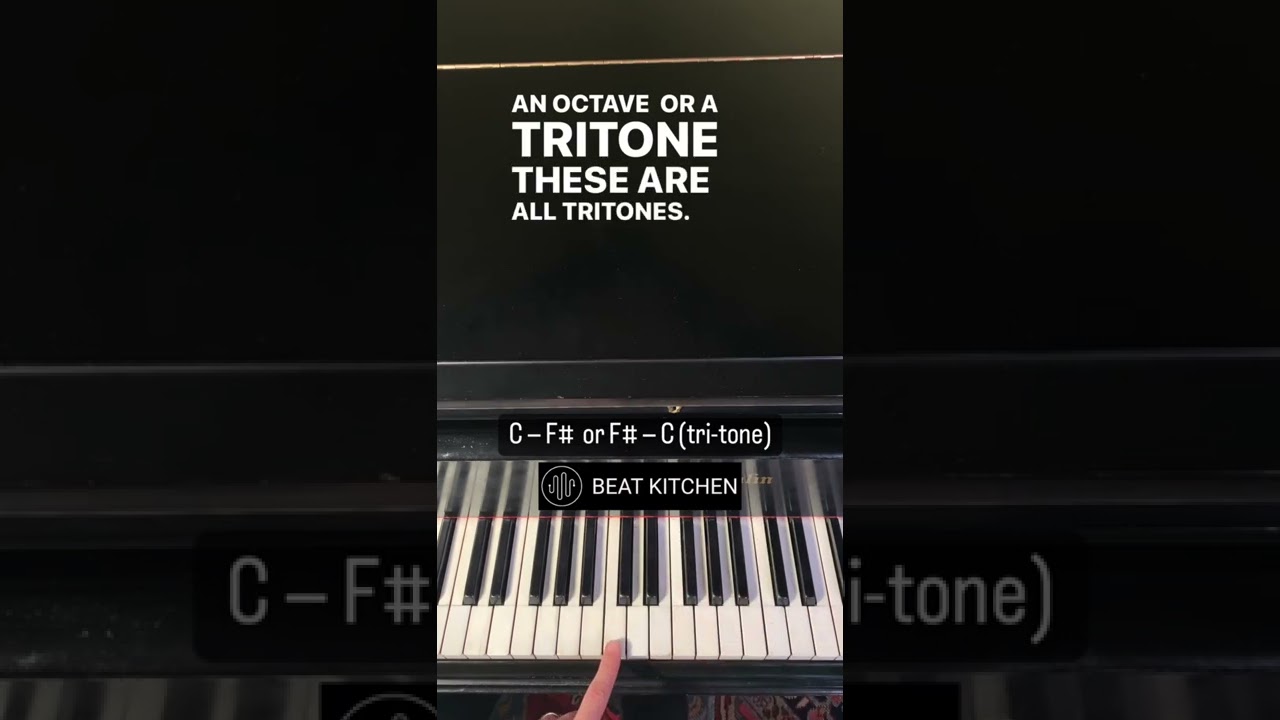
Transcription of the video above
If you ever notice that six steps up the scale this is a major sixth but if we invert it this becomes part of a minor chord. Minor third, major sixth. Pretty much all the intervals will behave that way.
A major third will become a minor sixth. A minor third becomes a major sixth. Even a minor seven becomes a major second.
And a minor second becomes a major seventh. Because you’re moving around the octave you’re basically subtracting eight notes so whatever you get is going to end up being nine. A third, a sixth.
Three and six equals nine but interestingly the perfect intervals the fifth and the fourth do not switch major and minor qualities.
Learn more in the Mixing and Synthesis Tools guide.