





Scales: utility knots
The next time someone asks you if you know all of your scales, ask them if they know the Hungarian minor or the double harmonic.

Content from our social media — music theory, songwriting, engineering, mixing, synthesis, and more — collected in one place. If you saw something on our page and want to find it again, it's here. Read it, search it, share it.
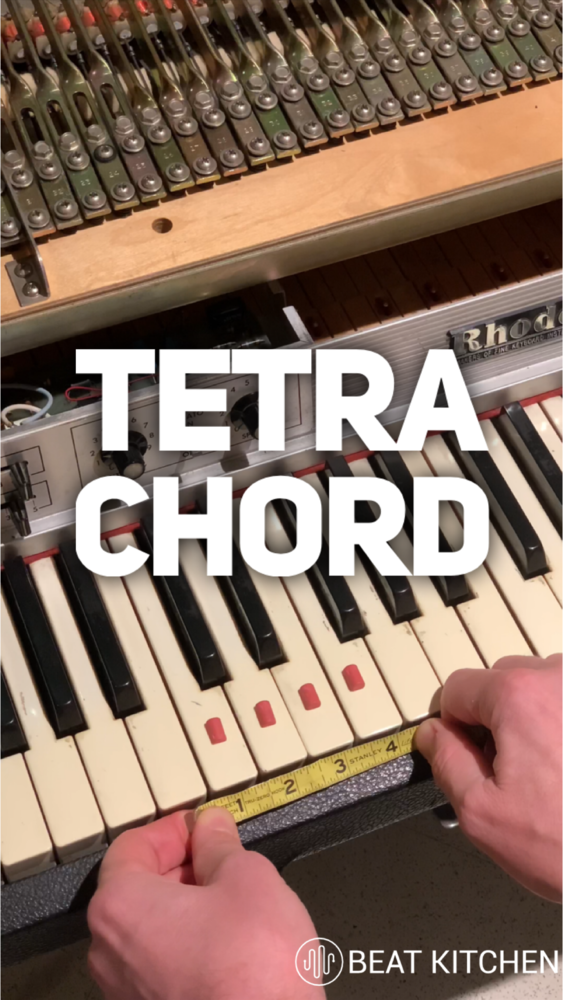
What is a tetrachord? The four-note building block behind every scale and mode — major, minor, harmonic, and Phrygian patterns explained with keyboard examples.
Read MoreShowing 12 of 611 articles (Page 1 of 51)
The next time someone asks you if you know all of your scales, ask them if they know the Hungarian minor or the double harmonic.

I think it’s time we talked about your fader.
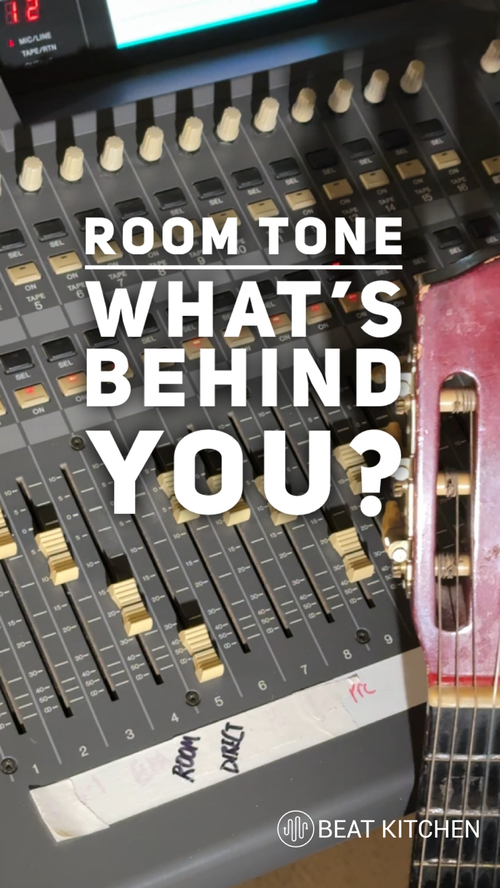
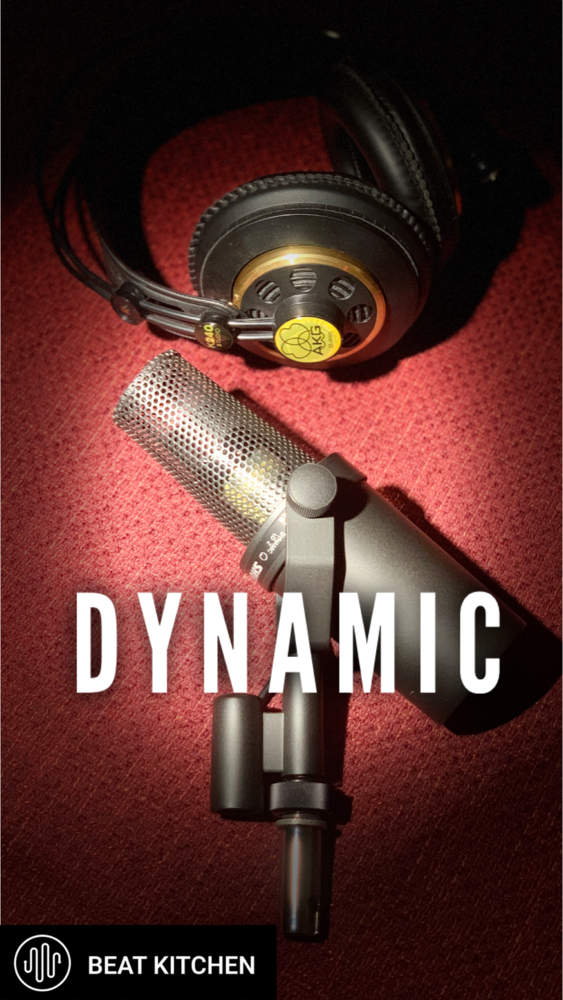
This is a directional microphone and when I point it away from my face You might expect it to be quieter than this But the thing is when you hear me, …
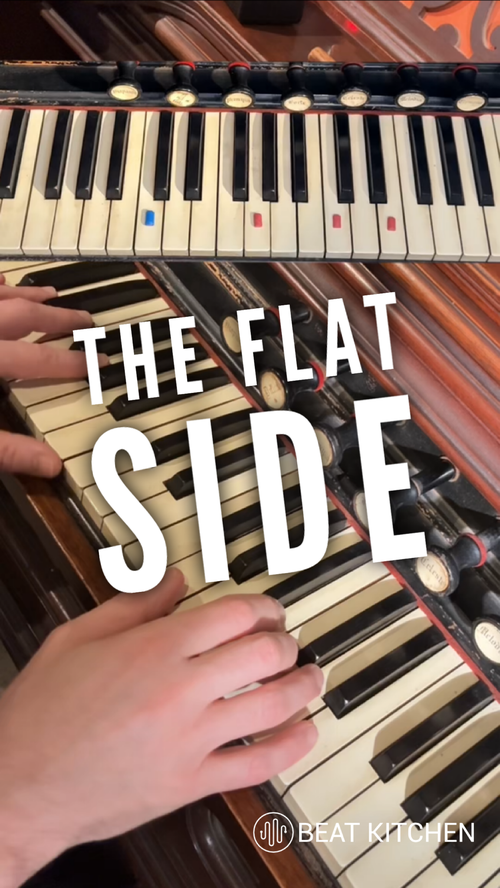
Don’t underestimate the power of these three chords, 1, 5, and 4, to paint an evocative landscape.
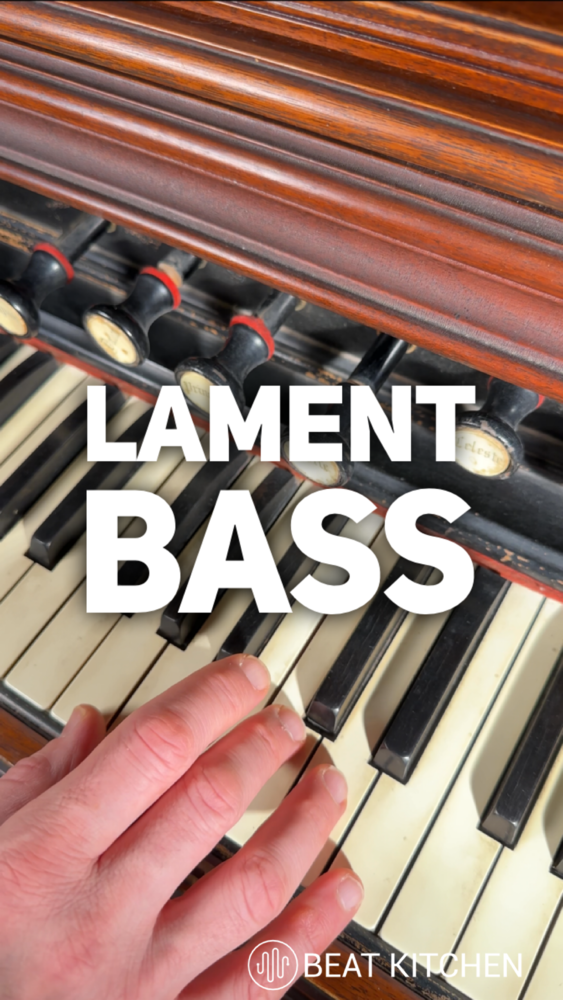
This chord progression is so useful, it basically has a name.
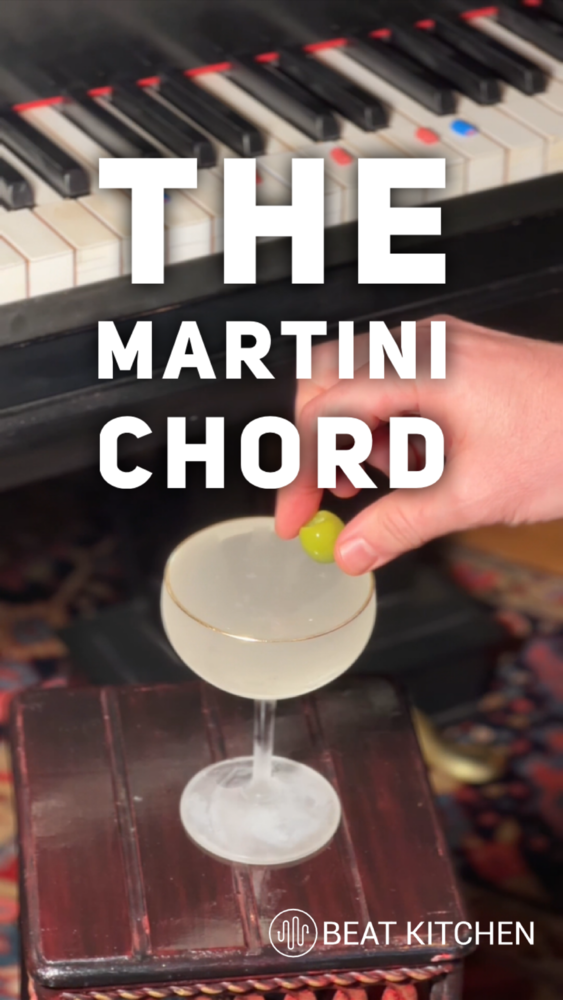
The seventh is the top note of your chord before it reaches the octave.
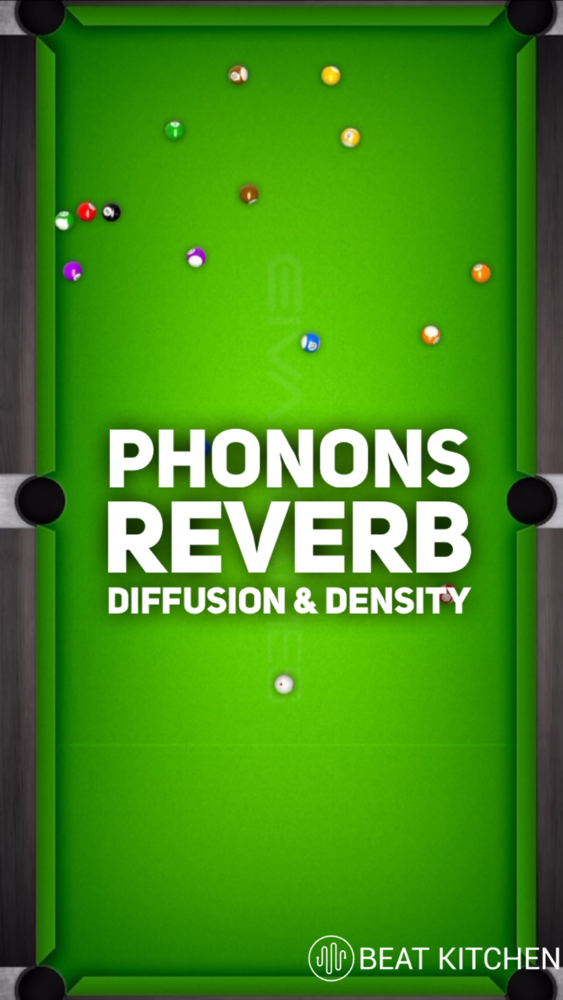
Diffusion and density.
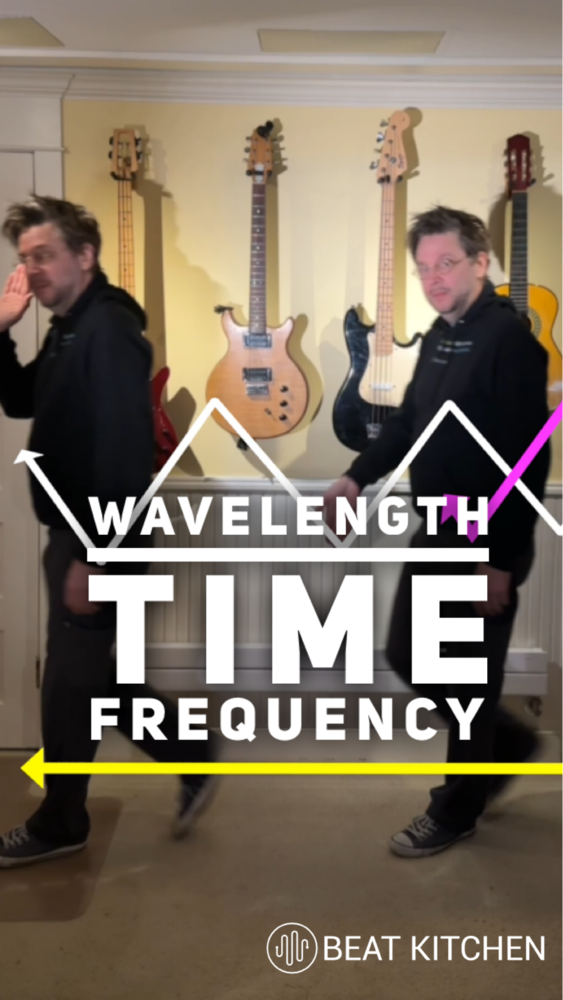
The speed of sound is constant.
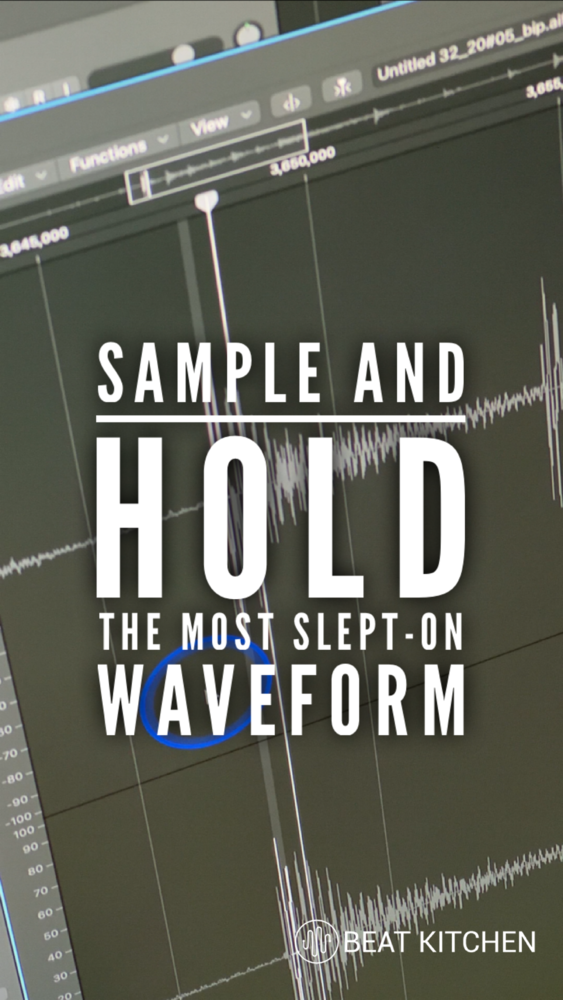
The most slept on waveform in audio.
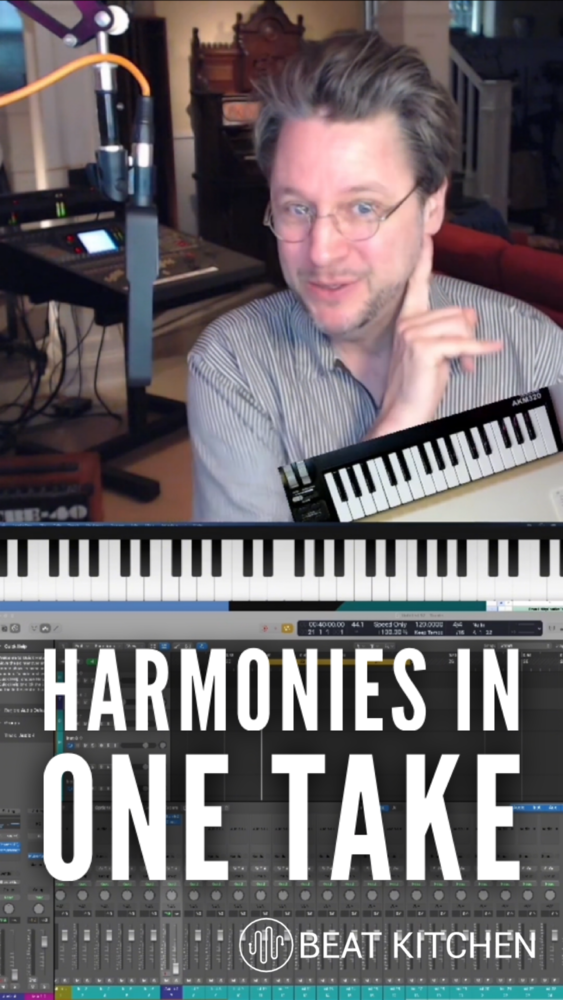
Here’s a cool little trick you can do that’ll help you with your ear and with your DAW skills at the same time.
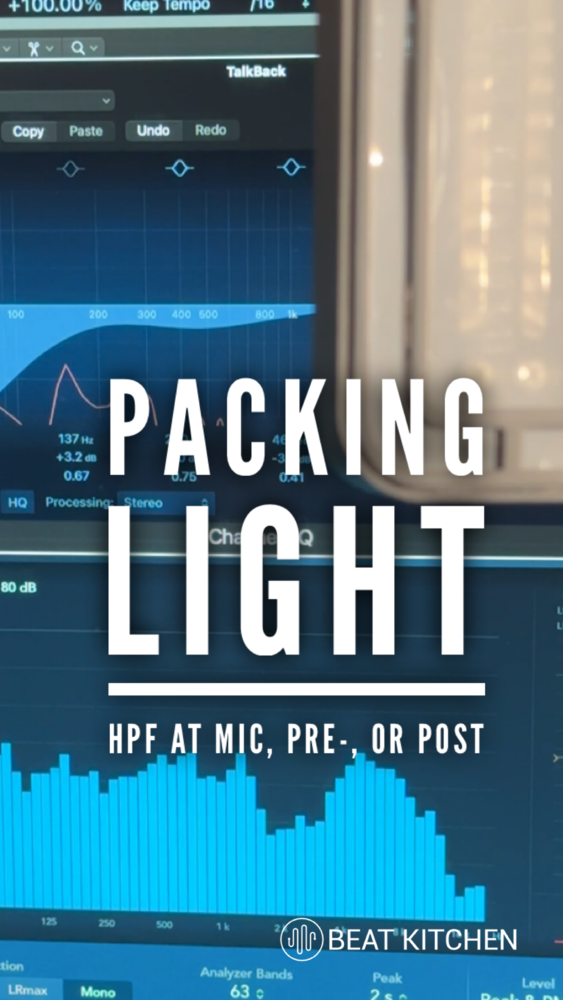
You have a choice when it comes to engaging a filter.
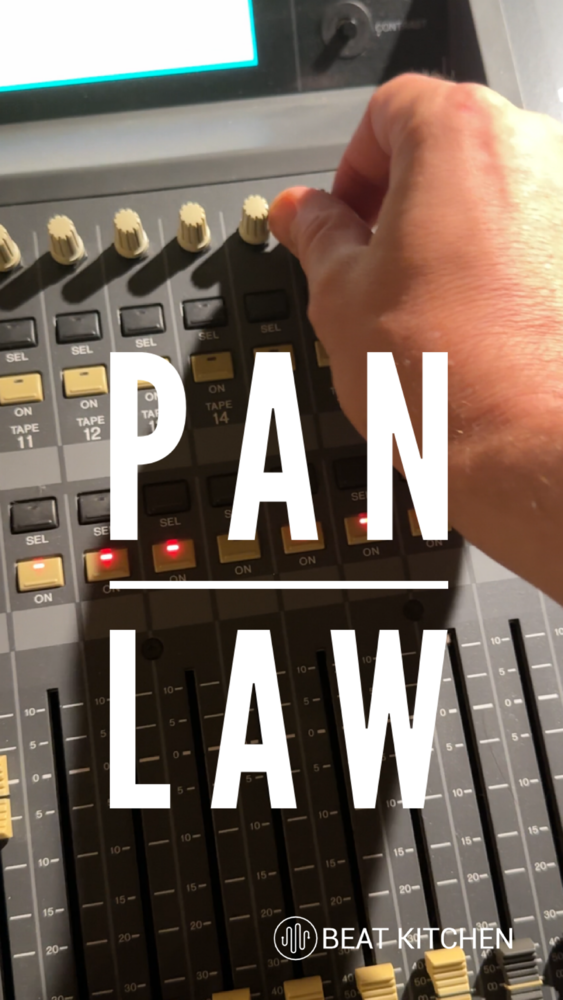
If you max out your signal and pan it to one side, you’re probably gonna clip your output.