










Signal Flow: it all boils down to this
There’s one thing that separates veteran producers and engineers from newcomers, and that thing is understanding signal flow.

Content from our social media — music theory, songwriting, engineering, mixing, synthesis, and more — collected in one place. If you saw something on our page and want to find it again, it's here. Read it, search it, share it.

Here’s a C suspended chord, but let’s see if we can’t get you playing some hipper ones, like a D minor over a C or a D minor 7 over a C.
Read MoreShowing 12 of 610 articles (Page 15 of 51)
There’s one thing that separates veteran producers and engineers from newcomers, and that thing is understanding signal flow.

Today we’re going to look at microphone polar patterns.

One simple way to approach a V chord when you’re looking at a 2-5-1 progression is to think of it like a suspended chord.

Today we’re gonna build something.




A compressor can add dynamics, reduce them, reshape attack, or extend sustain. Those are different jobs. Use one with intention, not by default.
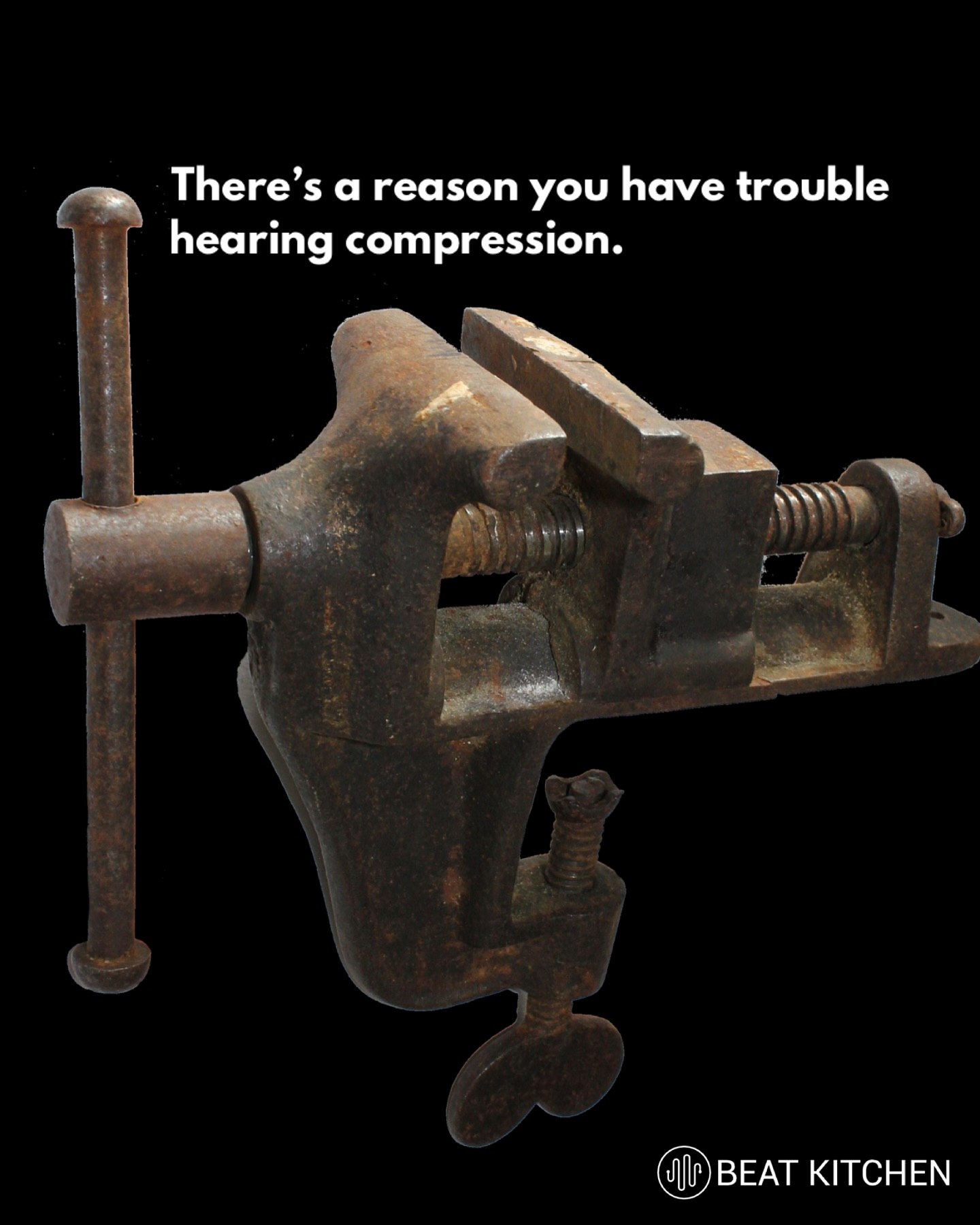
If you can't name the problem compression is solving, you won't recognize when it's working. Start with the symptom, not the plugin.
Mic'ing an instrument from behind softens the attack and captures a rounder tone. Works on upright piano, cymbals, violin, and more.

Radical EQ curves with steep peaks and cuts usually signal a problem upstream. Use broad strokes first, surgical moves only when needed.
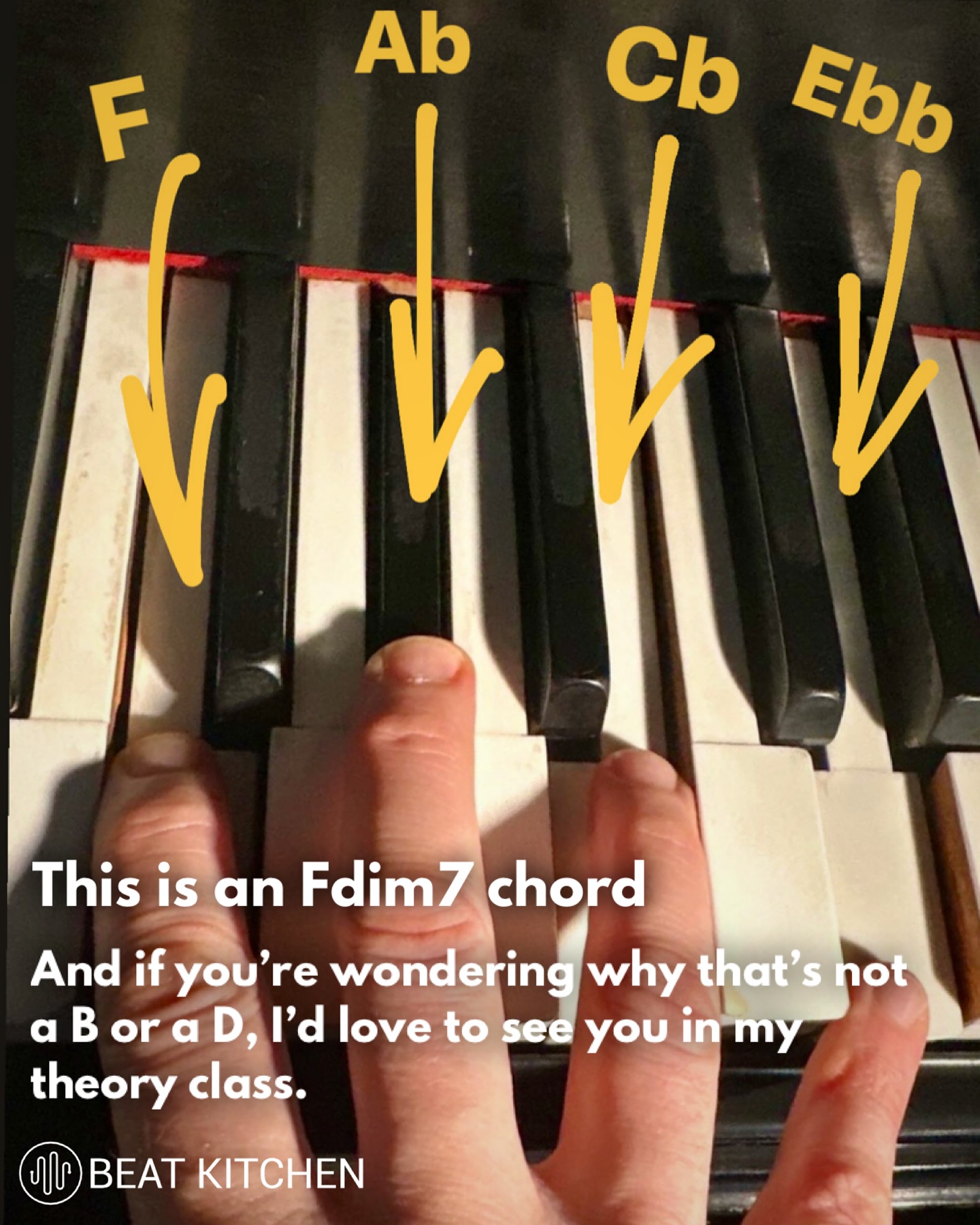
An Fdim7 chord spells F Ab Cb Ebb, not F Ab B D. The enharmonic spelling preserves the stacked-thirds structure that defines how chords work.


