






Bounce Version as a File
As you iterate through versions of a work in progress, bounce each version as a file so you can compare mixes without reopening sessions.

Content from our social media — music theory, songwriting, engineering, mixing, synthesis, and more — collected in one place. If you saw something on our page and want to find it again, it's here. Read it, search it, share it.

This descending chord progression is in thousands of songs — but it uses two different scales depending on direction. A scale is a living thing.
Read MoreShowing 12 of 611 articles (Page 25 of 51)
As you iterate through versions of a work in progress, bounce each version as a file so you can compare mixes without reopening sessions.
Raise your hand if you have trouble hearing compression.

John Carpenter's Halloween theme — 70% of you identified it as minor. But there's no third in the structure. Music theory isn't about a right or wrong …

Go. Oh, guys. It’s not coming off. What do you mean it’s not-

Apparently, I have a lot to say about this chord progression.

If you ever notice that six steps up the scale this is a major sixth but if we invert it this becomes part of a minor chord.

When you’re arranging you have to think a lot like a mix engineer because every instrument is going to speak differently in every register So the …
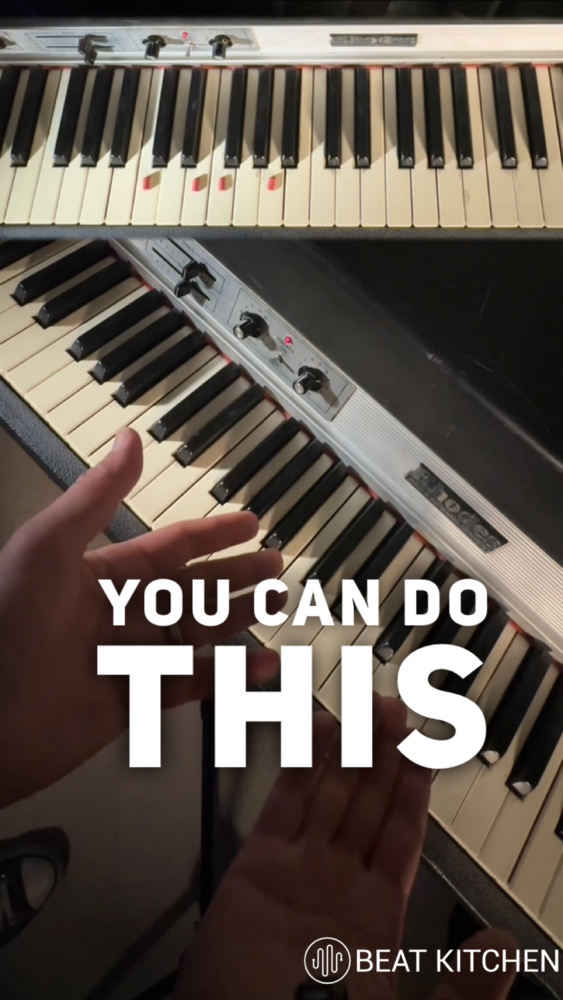
This may be one of the most useful chord progressions you can learn, and it’s deceptively easy, because if you can do this, then you can do this, and …

I’m going to play an F in every chord of the opening of "I Love Zupor" I’m playing an F and the droning pedal tone of the tonic note is going to …

Just tell your stories.

Getting comfortable with keyboard chords means getting comfortable with inversions.
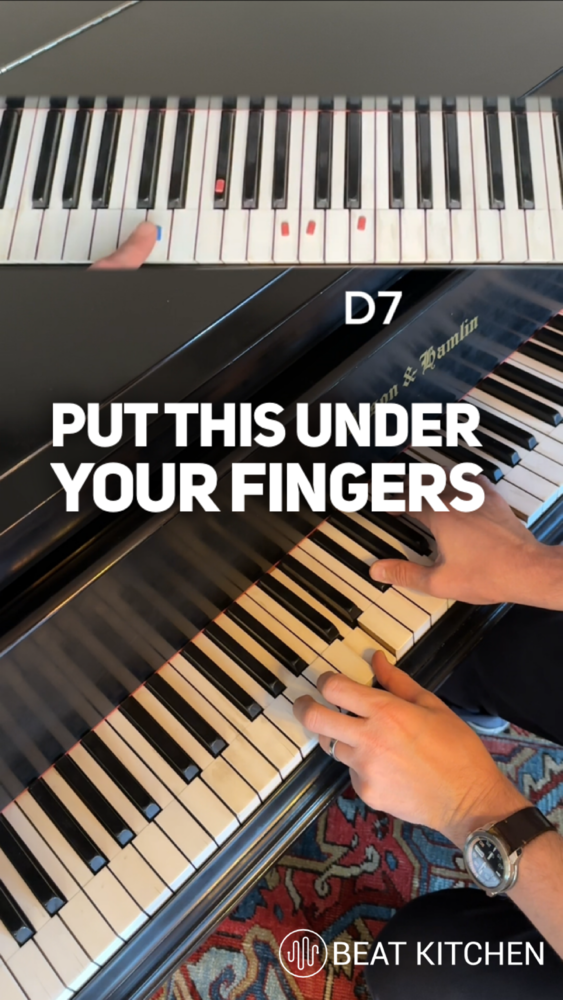
Here’s another chord progression you should put under your fingers.