


Wait! There's A Pan Law?
Time and time again, I see students run into trouble because of assumptions they make around the word "stereo." I’m not trying to take you down a …

Content from our social media — music theory, songwriting, engineering, mixing, synthesis, and more — collected in one place. If you saw something on our page and want to find it again, it's here. Read it, search it, share it.

Showing 12 of 610 articles (Page 32 of 51)
Time and time again, I see students run into trouble because of assumptions they make around the word "stereo." I’m not trying to take you down a …
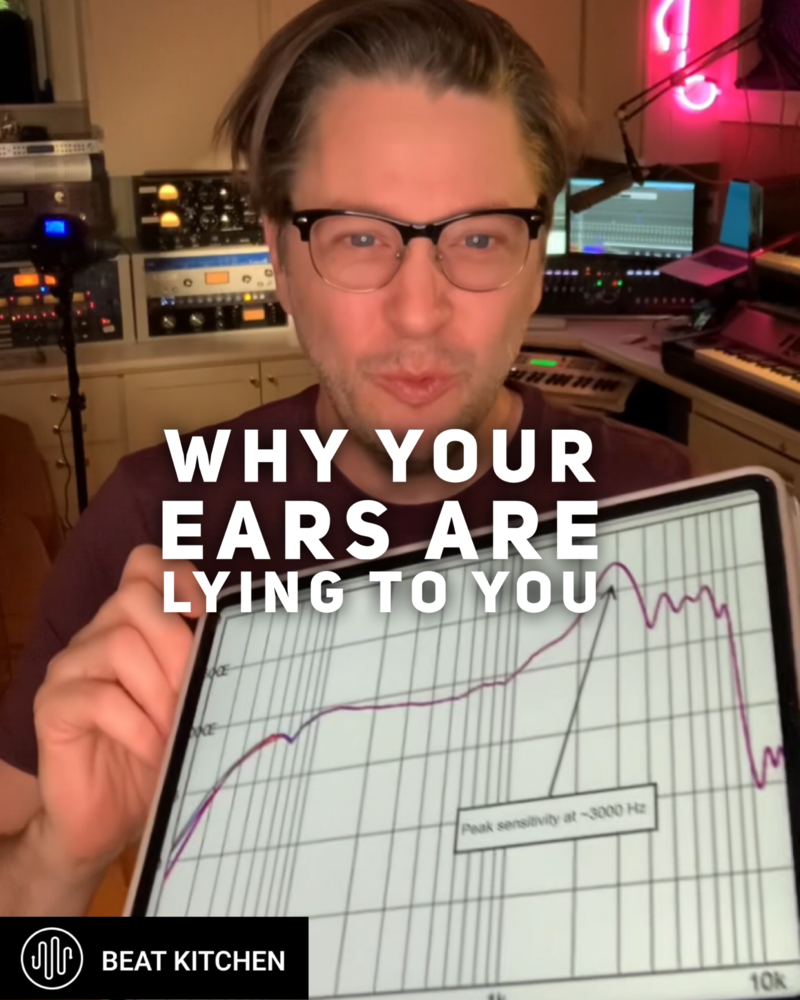
You know that frequency response chart that came with your nice set of speakers?
Here are three unexpected ways to end a song in a minor key.
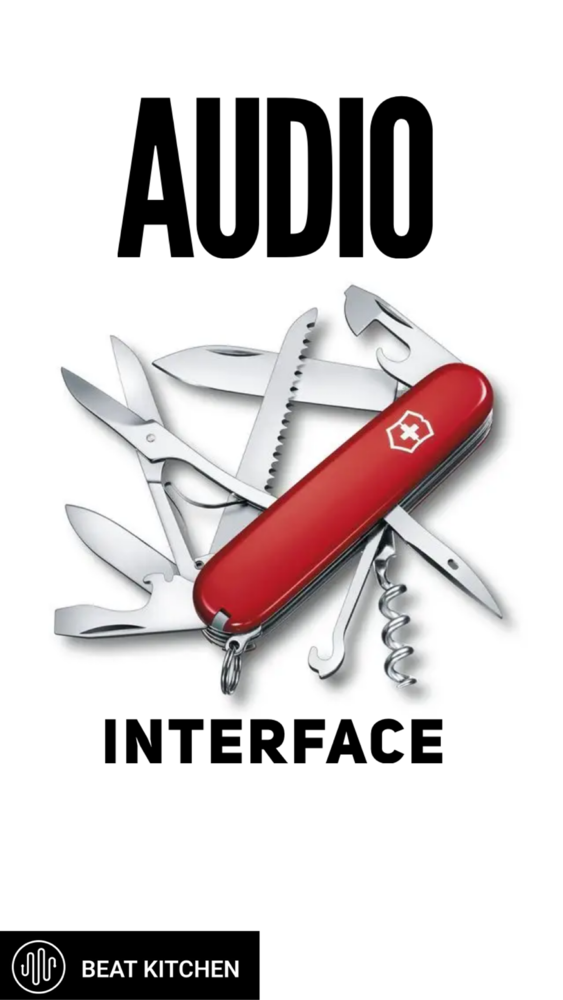
Your audio interface is a device that does a few different things.
If you’ve ever tried to explain a compressor to someone who’s new to music production, there comes a moment where they look at you with a really …
The canvas for sound and music is neither digital nor analog.
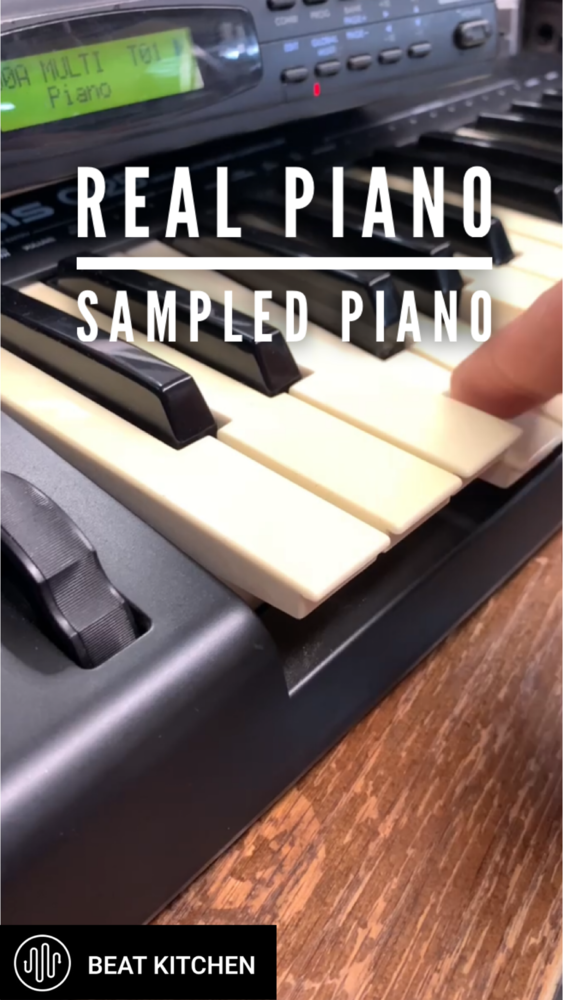
Real piano. Sample piano. Oh boy. Gone are the days when piano in a can sounded like this. There are lots of great options these days and if you’re …
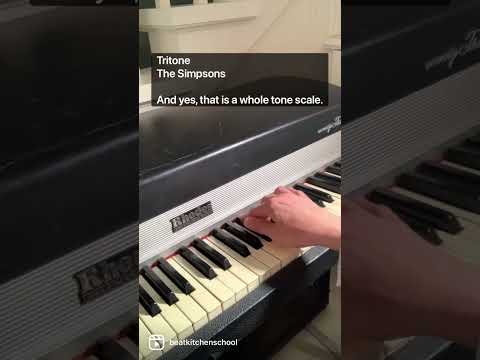
One of the most effective ways to learn to identify intervals and chords is to associate those with songs that you know.
Side chains are overrated.
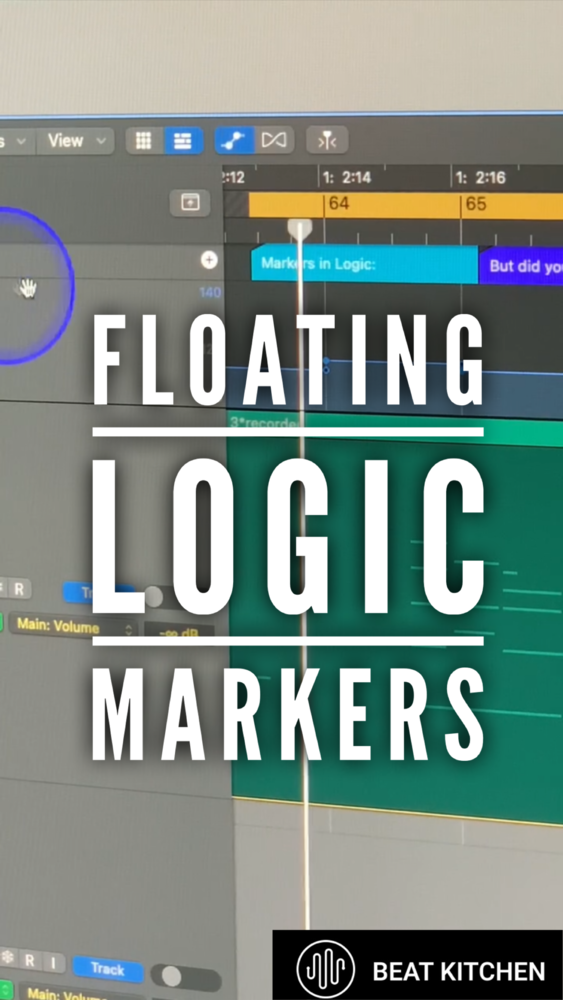
Markers and Logic are great for labeling sections of your song, but did you know they can also contain lots of extra text?
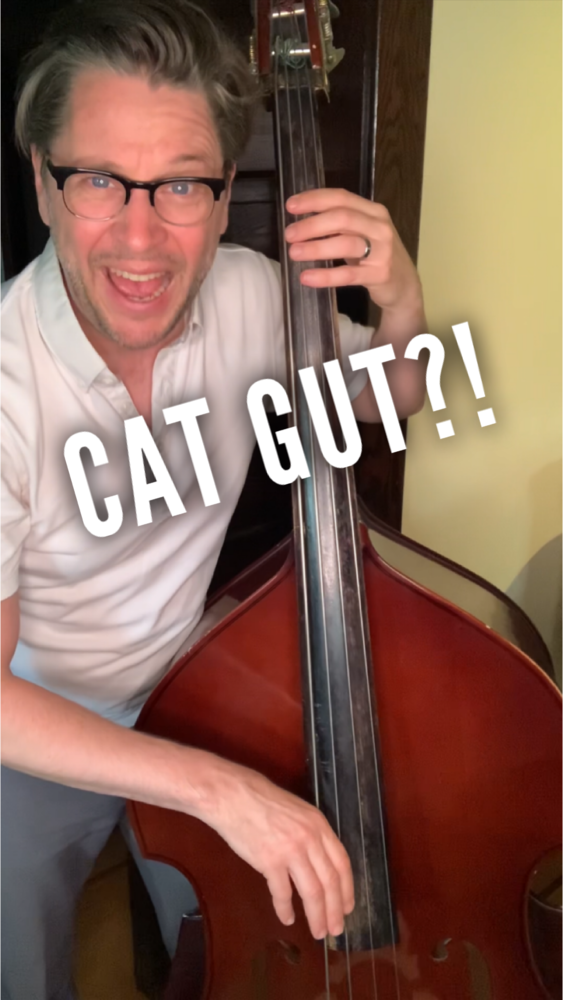
Cat gut? No. Despite what you may have heard, instruments are not strung with cat gut. Neither are tennis rackets. They never have been. Sheep gut? …

If you’re starting to make your own music, there will come a time when you find yourself scratching your head looking at a bunch of notes and asking …


