



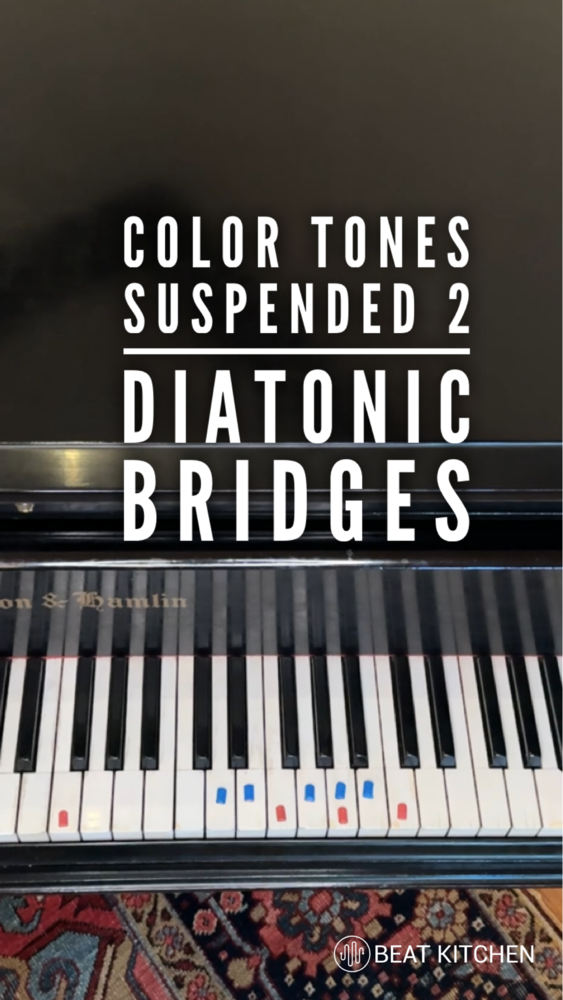
Color Tones: suspended two diatonic bridges
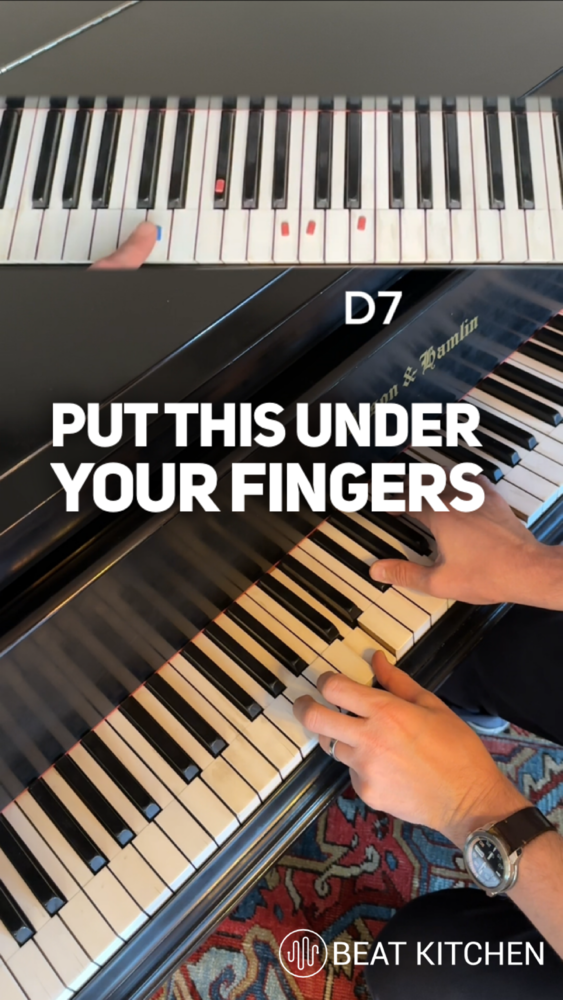
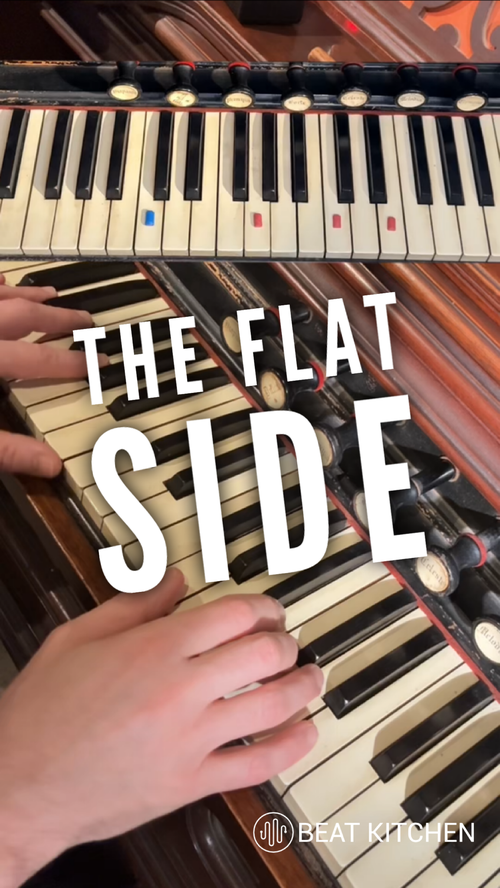
One thing most pianists understand intuitively is that you can freely fill the gap between the bottom two notes of any root position triad, as long as …

Content from our social media — music theory, songwriting, engineering, mixing, synthesis, and more — collected in one place. If you saw something on our page and want to find it again, it's here. Read it, search it, share it.
Showing 12 of 610 articles (Page 6 of 51)
One thing most pianists understand intuitively is that you can freely fill the gap between the bottom two notes of any root position triad, as long as …
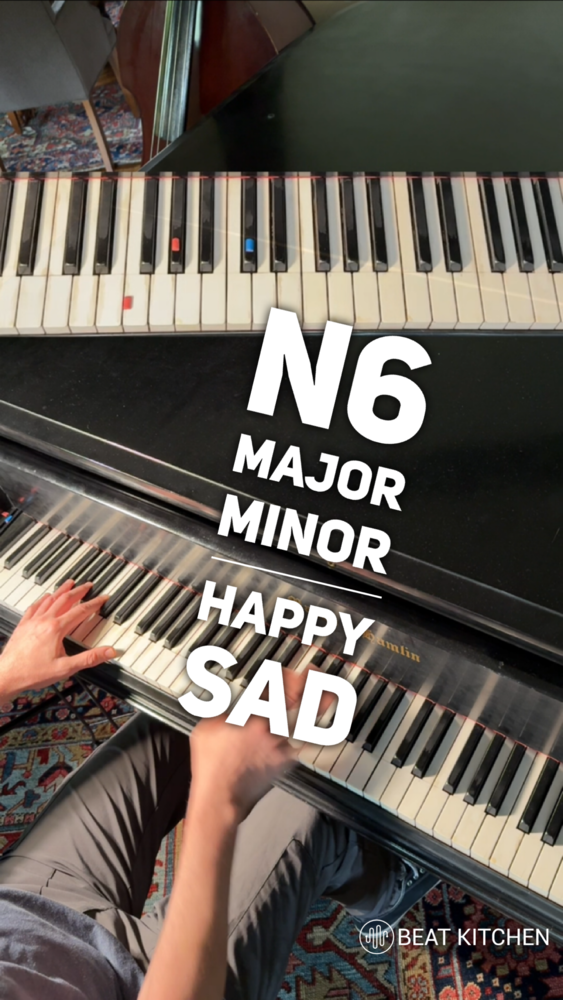
Let’s do away with the notion that all major chords are bright and happy and all minor chords are dark and sad.
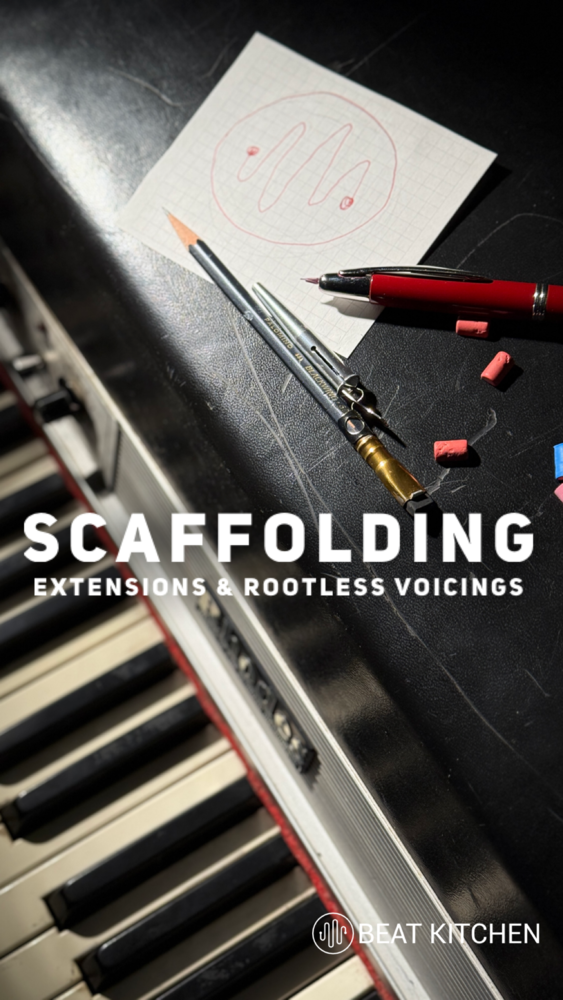
Not every A minor chord looks like an A minor.

Let this serve as your friendly reminder that music exists to remind you that you are alive now go listen to some .

It’s only a matter of time before you’re humbled by someone with far less resources than you creating at a very high level.

All right, you want a tip find two quick ways to find stuff in logic.
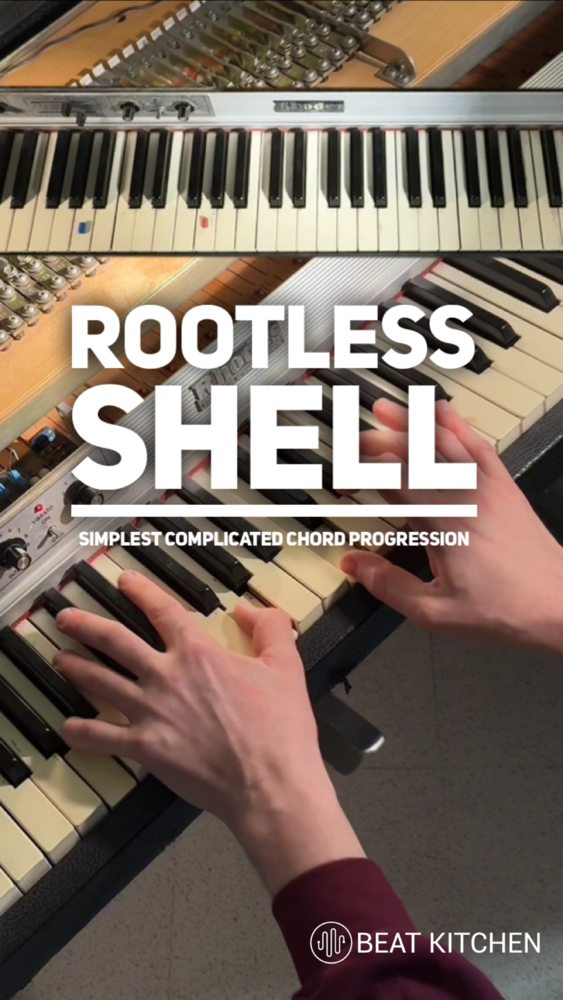
This might be the easiest complicated chord progression you’ll ever learn.
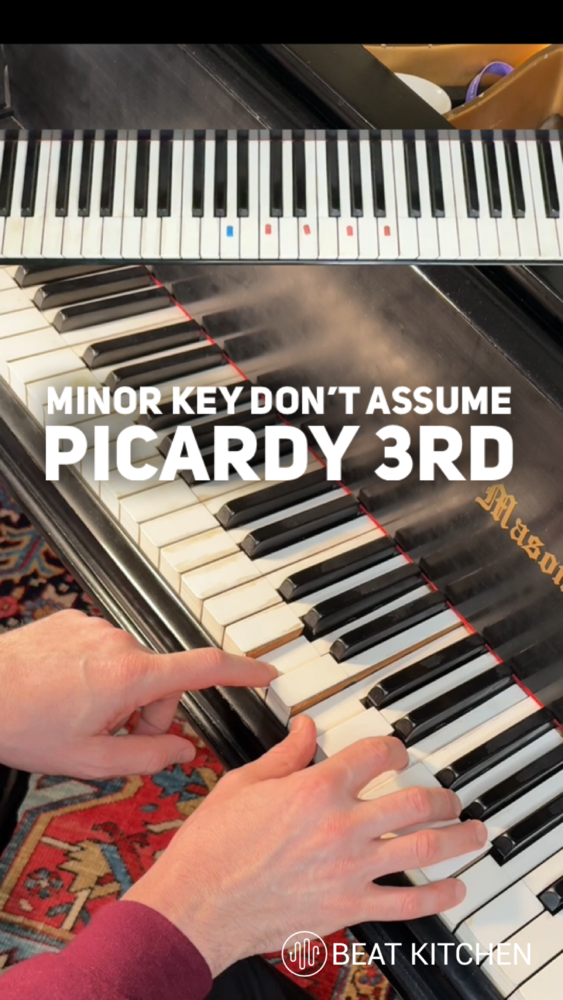
Don’t assume that just because you start off in a minor key, that you have to end up in one.
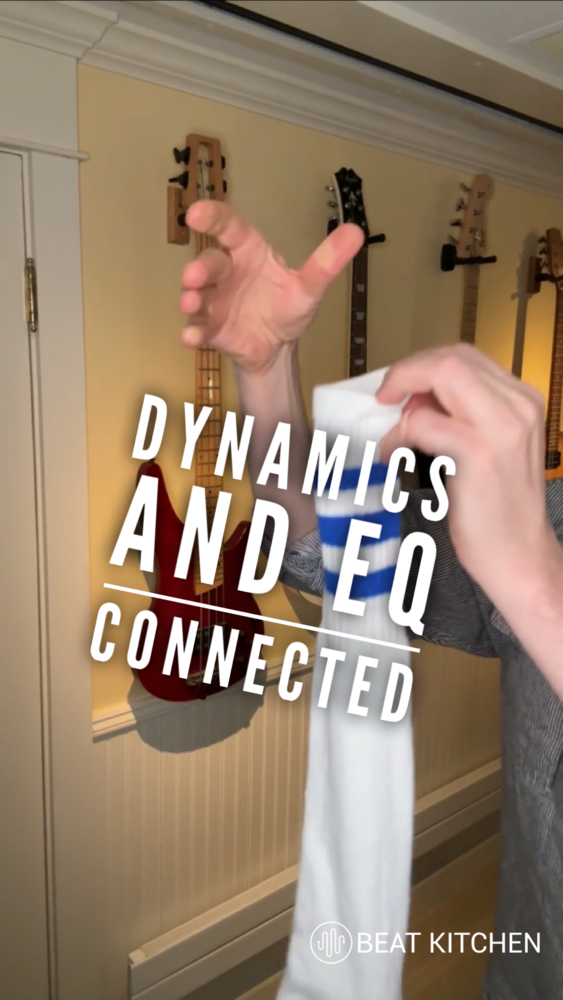
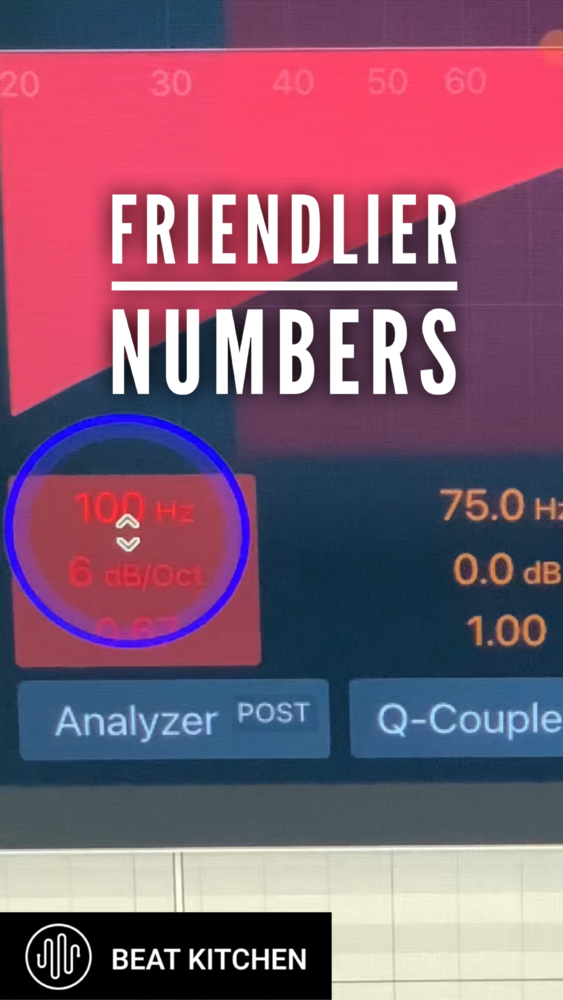
You can try, but you can’t really separate frequency from level.
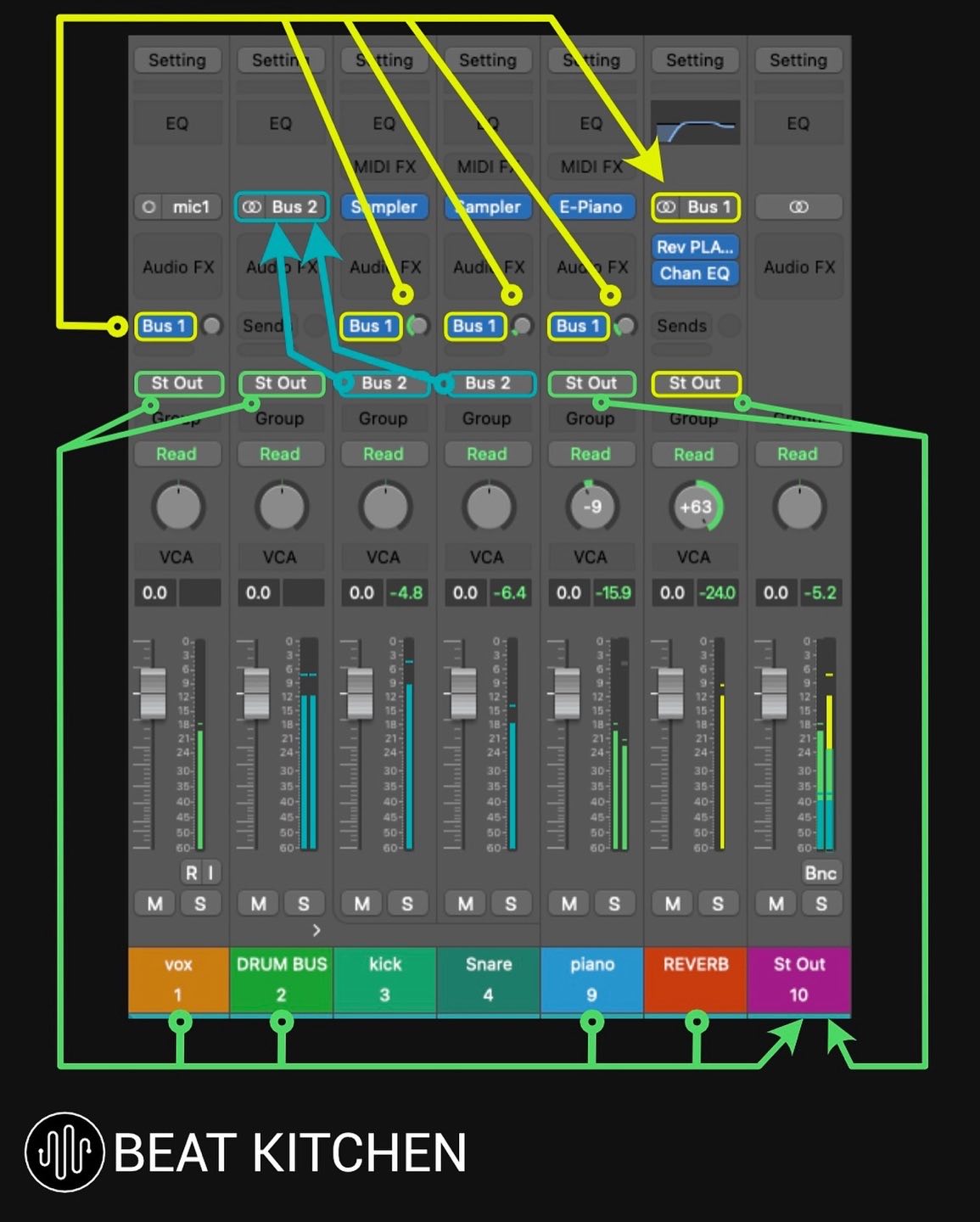
Annotated DAW mixer diagram showing serial and parallel signal flow — sends, buses, groups, and stereo output routing explained.
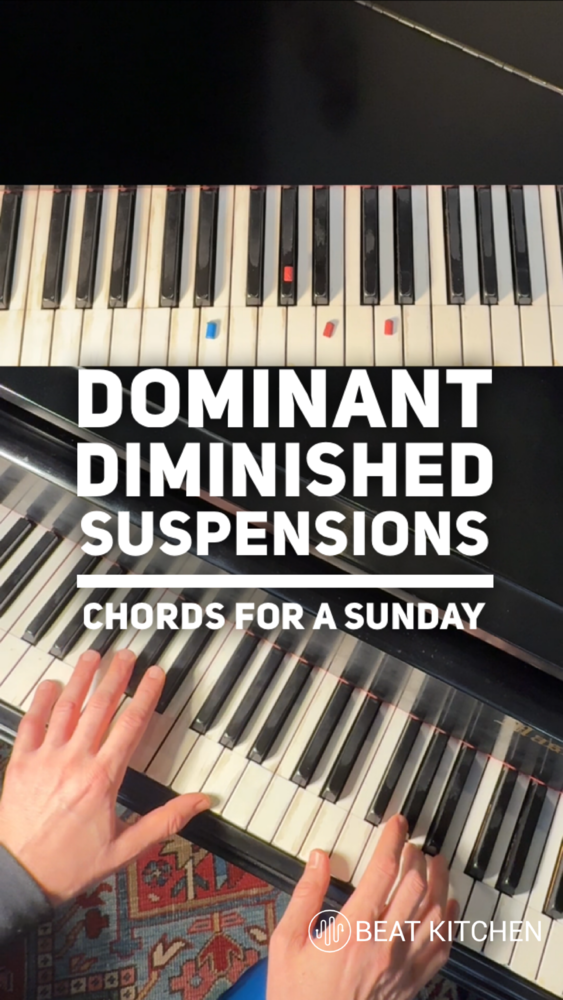
A gospel-flavored chord progression using dominant, diminished, and suspended chords — how the tension and resolution cycle creates that Sunday …

Even if you learn some music theory, you can still write ridiculously long, run-on sentences if that's your thing.


