
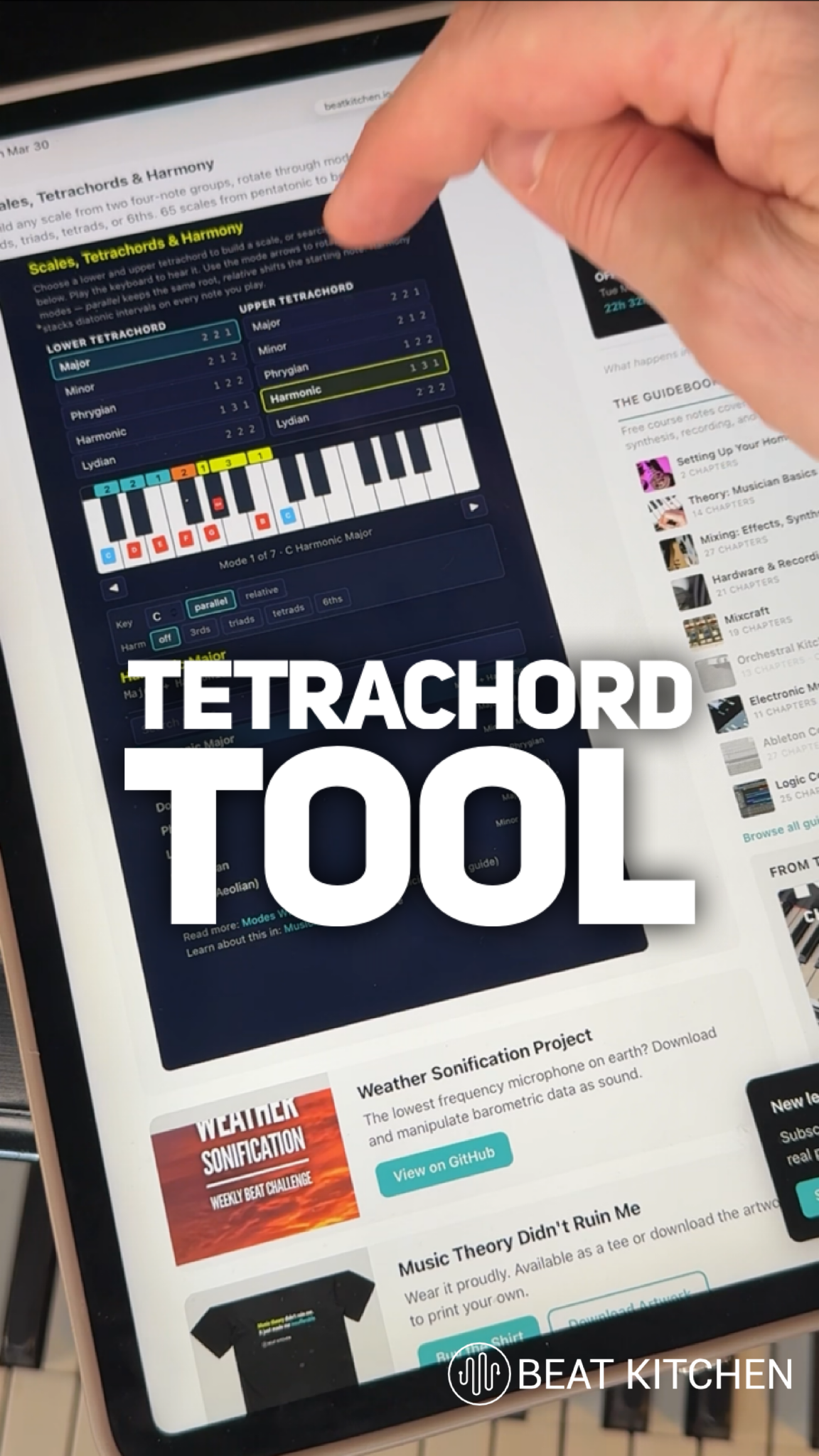
Tetrachord Tool — Build Scales, Modes & Harmony from Two Groups of Four Notes
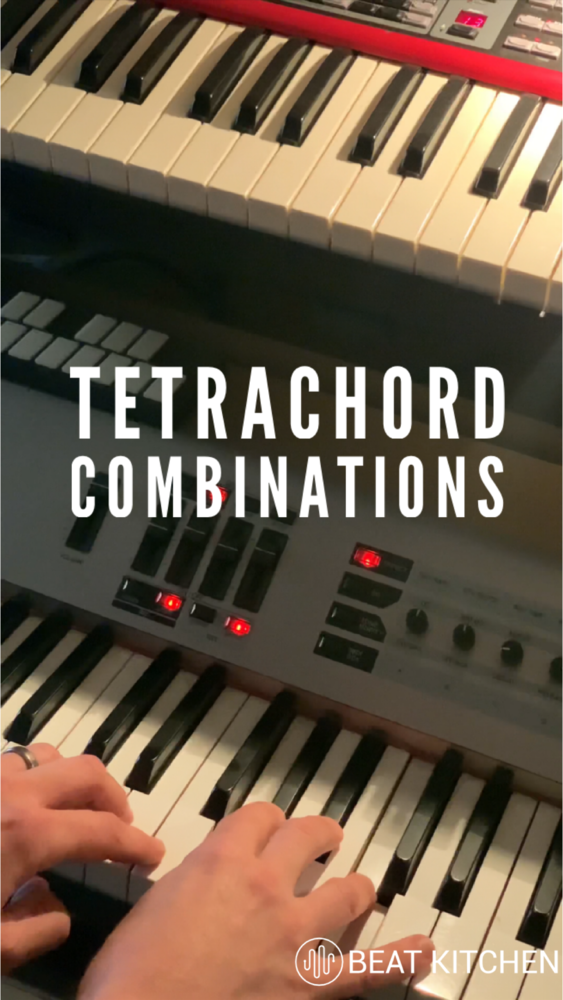
An interactive tetrachord explorer that lets you pick lower and upper tetrachords, hear the resulting scale, rotate through modes, and stack diatonic …

Content from our social media — music theory, songwriting, engineering, mixing, synthesis, and more — collected in one place. If you saw something on our page and want to find it again, it's here. Read it, search it, share it.
Showing 12 of 610 articles (Page 5 of 51)
An interactive tetrachord explorer that lets you pick lower and upper tetrachords, hear the resulting scale, rotate through modes, and stack diatonic …
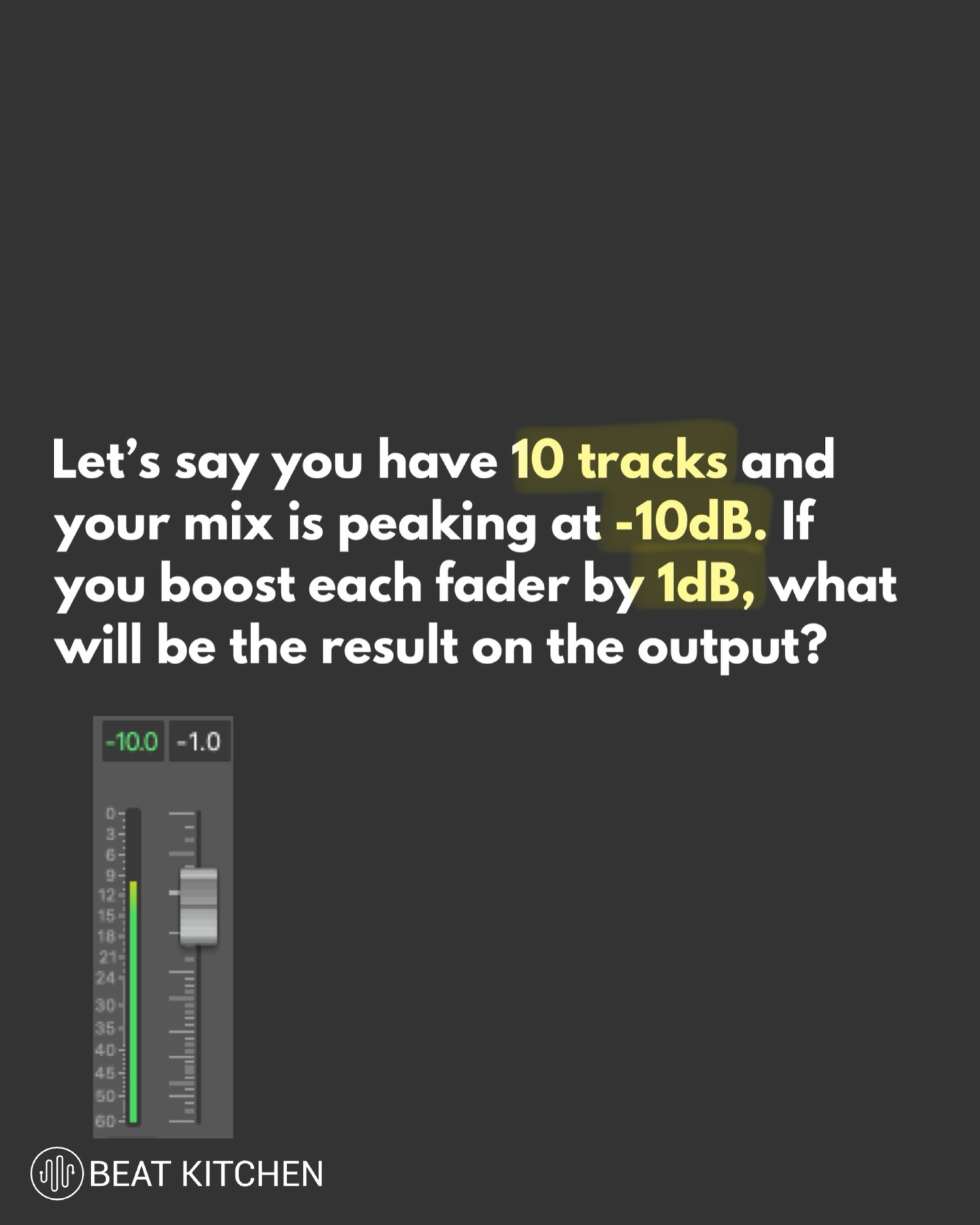
If 10 tracks peak at -10dB and you boost each fader by 1dB, the output rises by 10dB, not 1dB. Mixing math every producer should know.
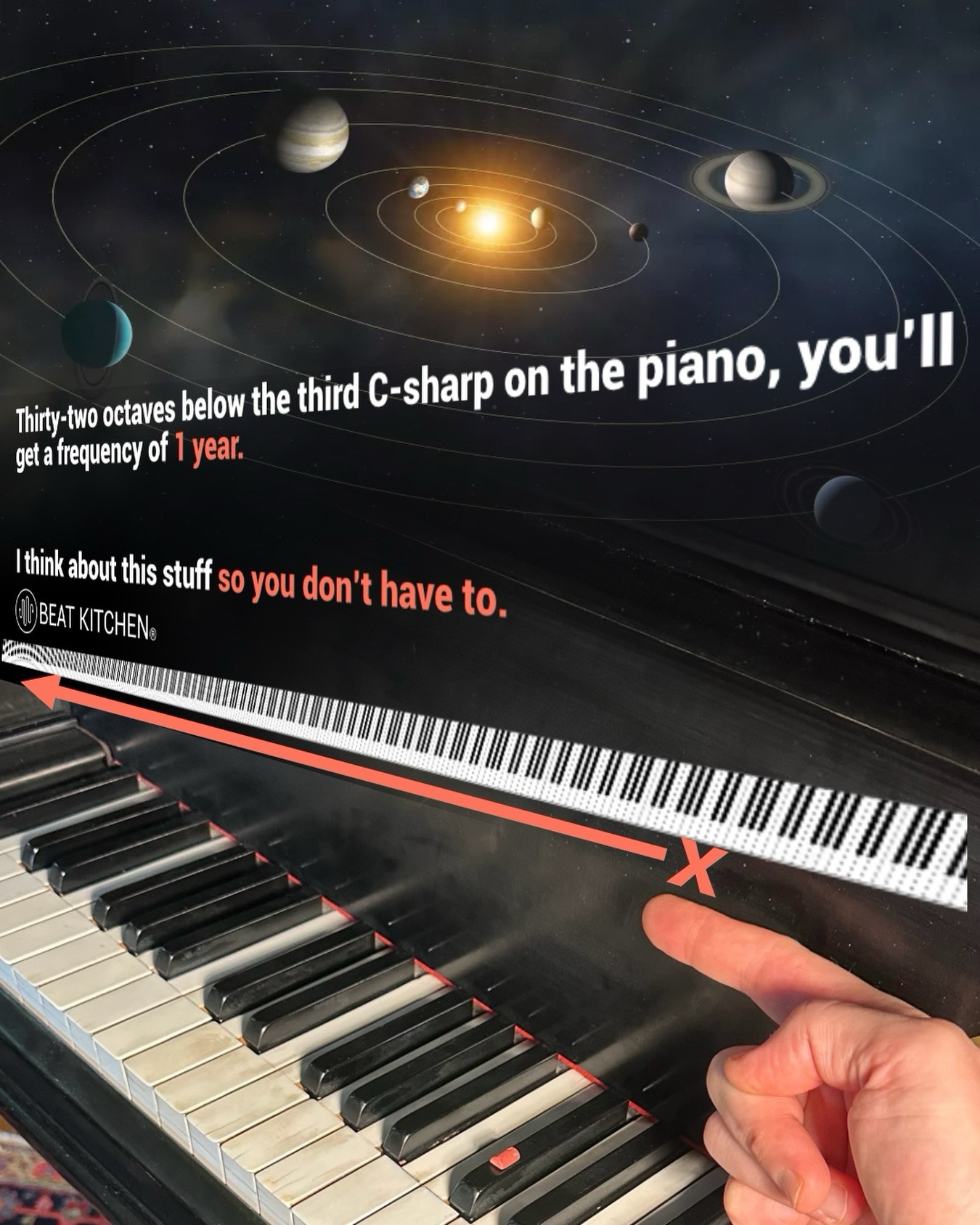
Thirty-two octaves below C-sharp on the piano gives you a frequency of one year. A thought experiment on octaves, scale, and teaching.
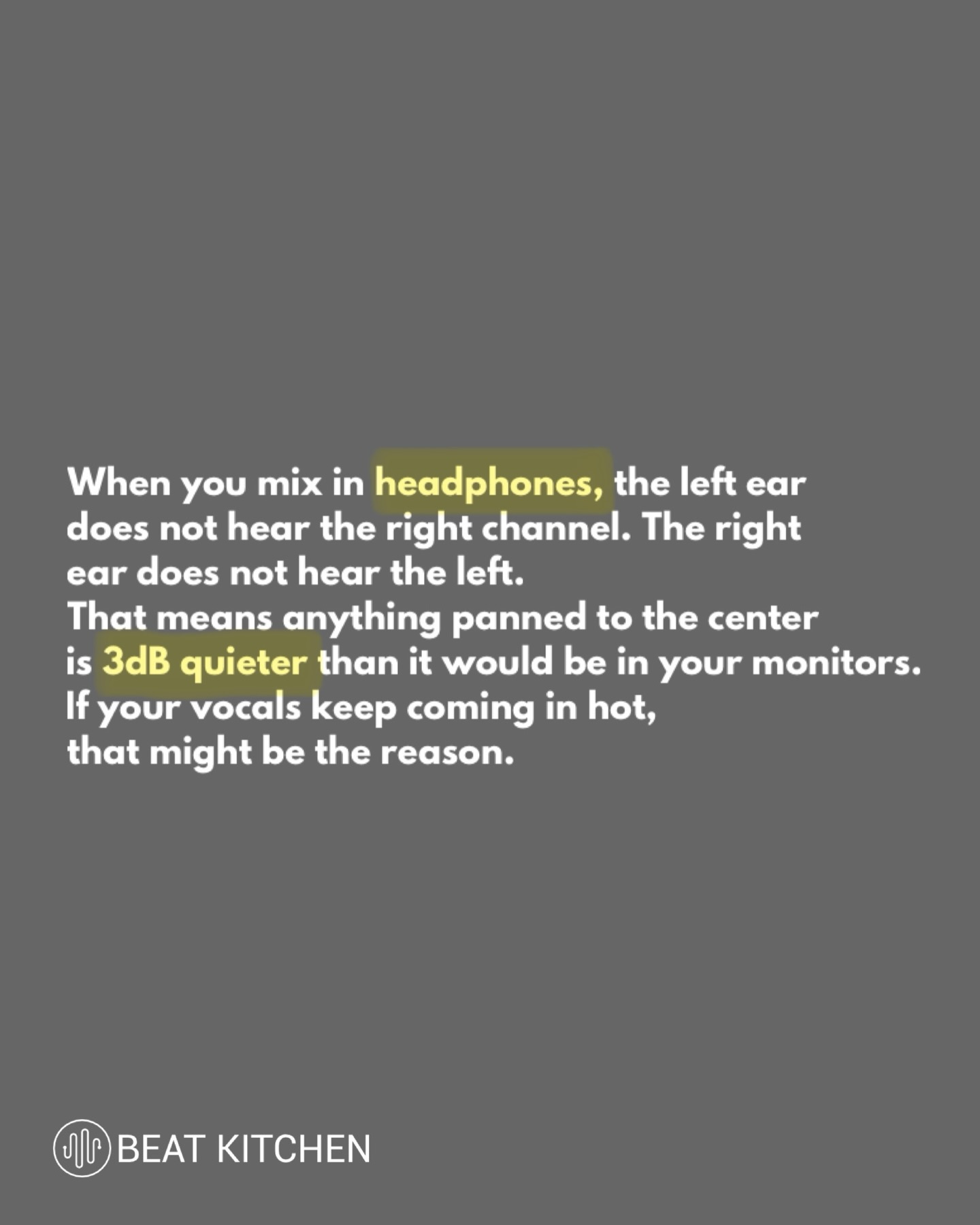
Center-panned content is 3dB quieter in headphones than on monitors. Understanding why helps your mixes translate.

A machine’s ability to make music should have nothing to do with the joy that you as an artist derive from creating it in the first place.
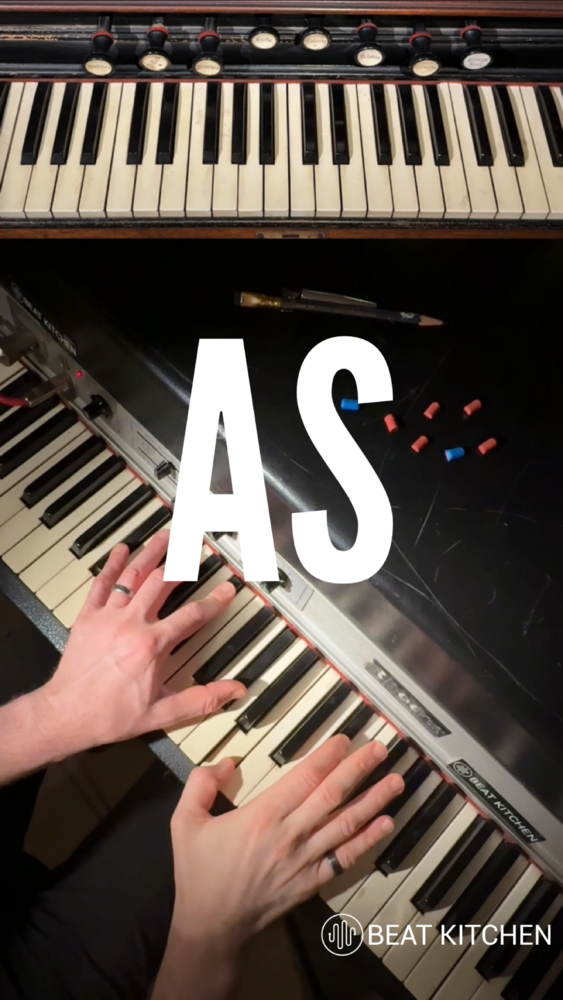
Tuesday’s Music Theory Gym and its Stevie Wonder adds where we find a convergence of ascending and descending movement.
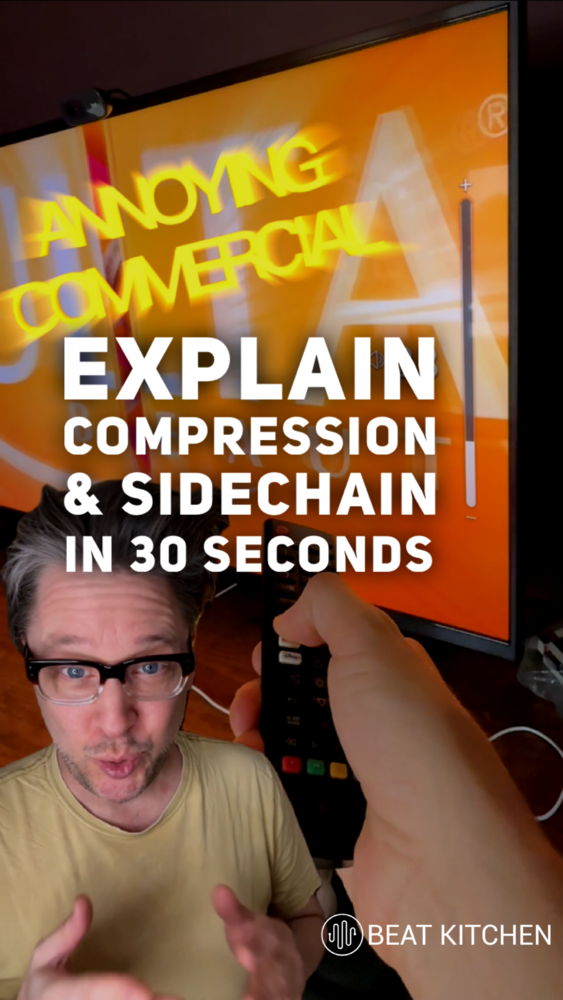
When the TV is on too loud and you turn it down, you are acting like a compressor.
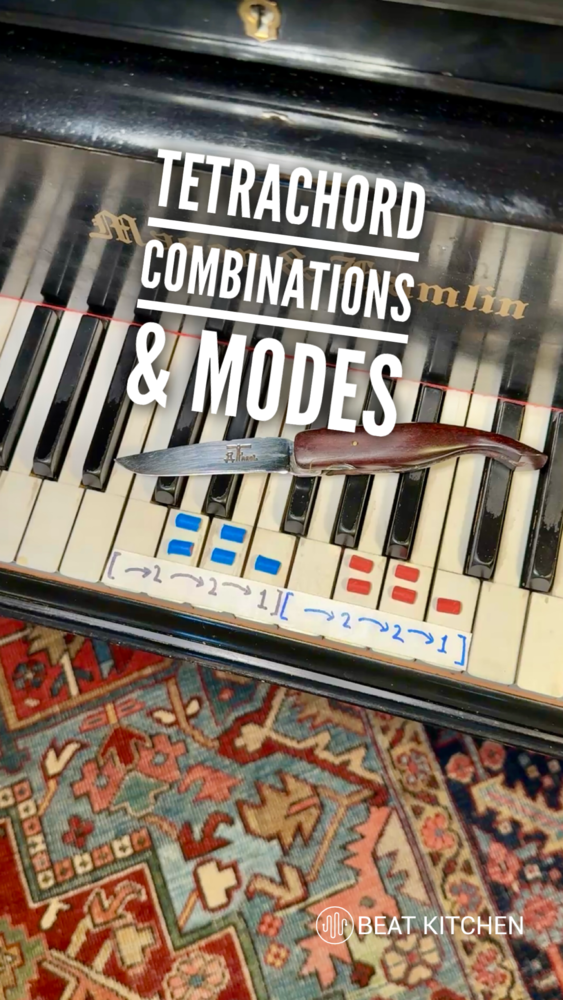
Music theory books list scales one at a time. Here's the shortcut: every scale is two tetrachords joined end to end. Learn the four types (major, …
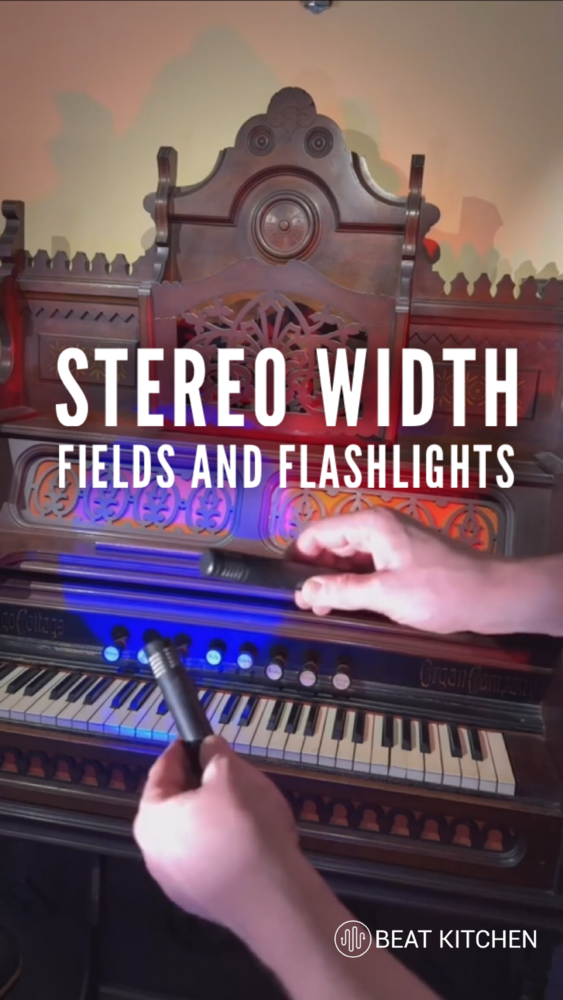
Stereo width is not one thing — it can come from microphone placement, processing, or panning. Fields vs. flashlights: two mental models for how width …
They say monsters aren’t real, but I’m not so sure.
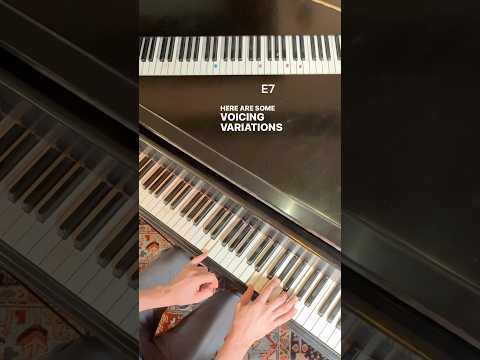
Some voicing variations on a popular chord progression that came up during a quiet office hours session.
This is a story about perfection.


