
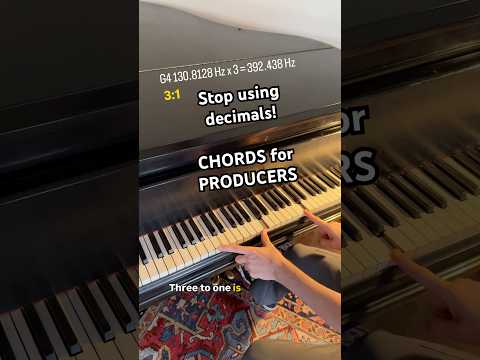
Stop Using Decimals
please, for the love of God, stop using decimals to rationalize intervals.

Content from our social media — music theory, songwriting, engineering, mixing, synthesis, and more — collected in one place. If you saw something on our page and want to find it again, it's here. Read it, search it, share it.

"Heh, Nathan." I initially responded to a mastering session and have never been replied to.
Read MoreShowing 12 of 610 articles (Page 23 of 51)
please, for the love of God, stop using decimals to rationalize intervals.
Cords and scales are a mystery because you're trying to memorize them like phone numbers.
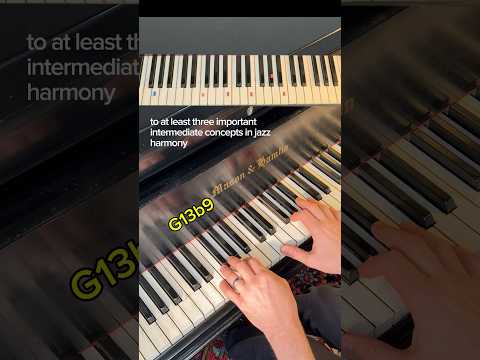
This little moment holds a key to at least three important intermediate concepts in jazz harmony.
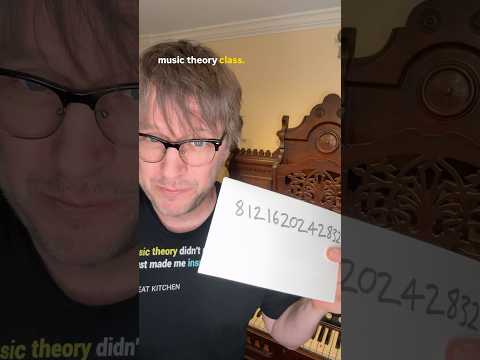
The biggest music theory hack has nothing to do with reading music or memorizing chord names. It starts with seeing the pattern.
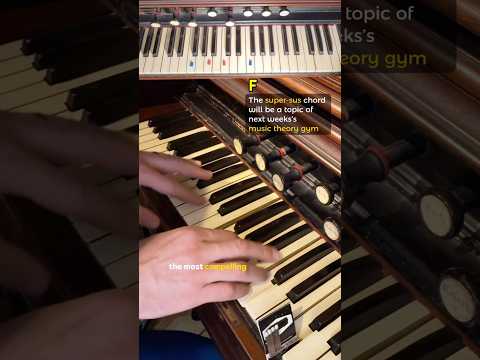
Having a key center means holding a note in your mind even once you stop playing it.
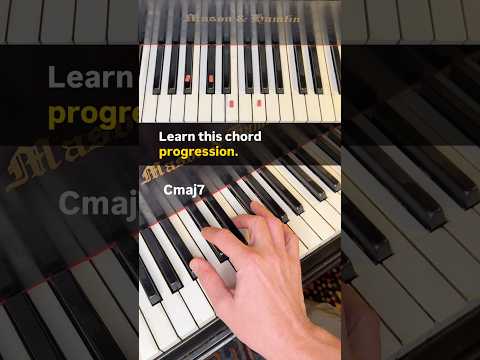
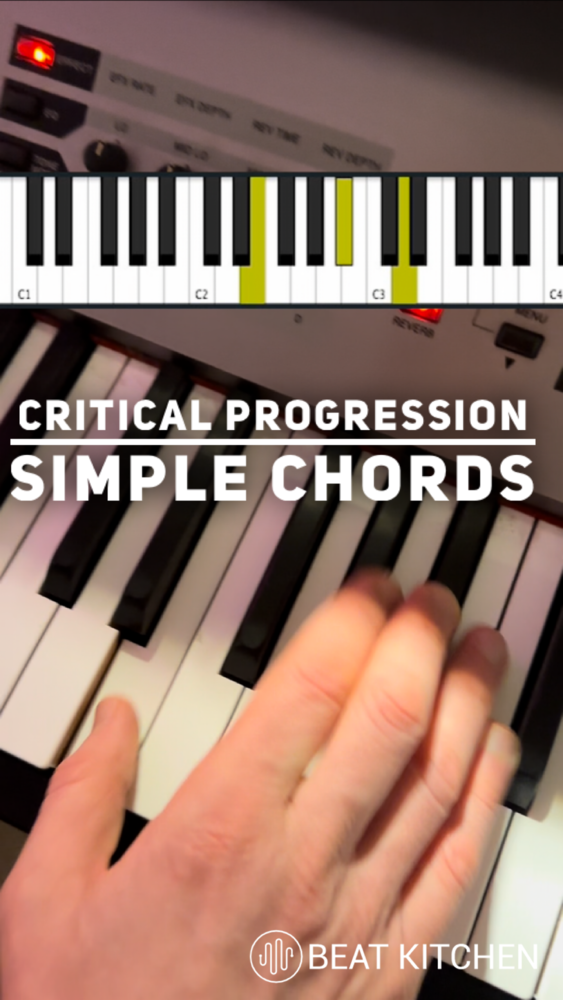
A useful chord progression that compares a common tone diminished with a dominant chord. What do you call that chord?
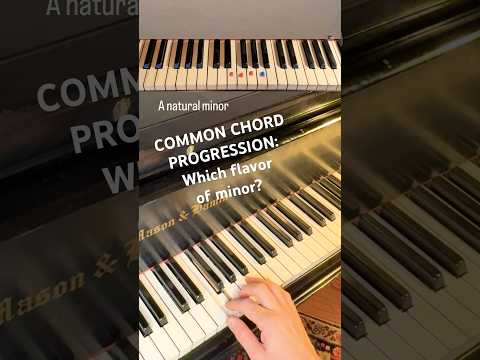
A descending baseline over a minor chord appears in thousands of songs. But that little wrinkle at the end means you can't use a single scale.
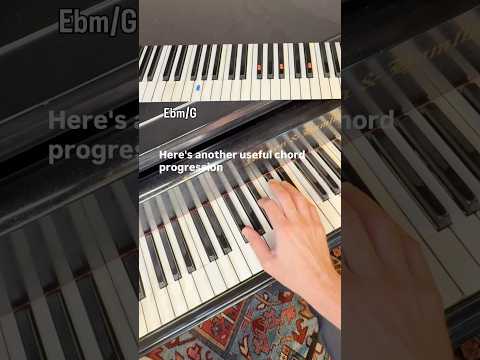
Another useful chord progression to put under your fingers — a common keyboard trope built on the 6/3 church resolution.
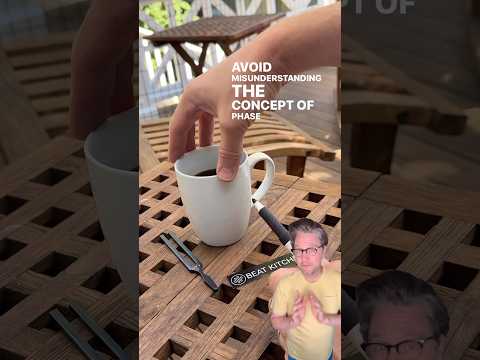
Avoid misunderstanding phase by asking yourself: could a waveform exist across a cylinder? Where polarity and phase differ, it matters.
How do you manage recall?
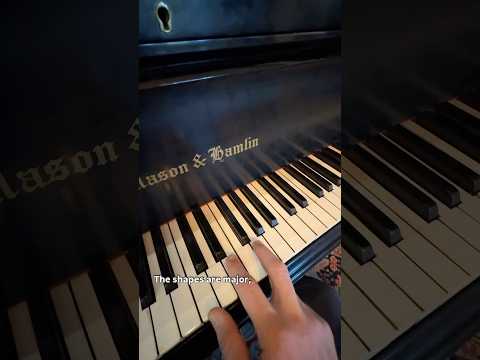
I favor chord thinking over key thinking, and here’s what I mean.
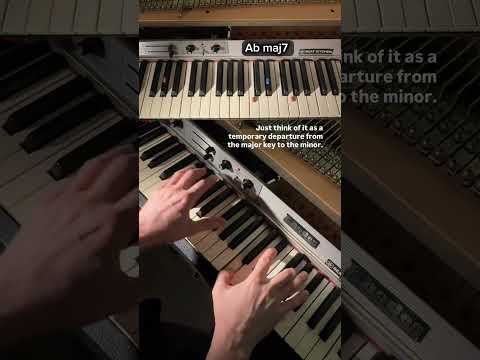
What is a borrowed chord?


